Understanding Hospice and Palliative Care

The terms hospice and palliative care are often misunderstood, yet they represent two of the most compassionate and comprehensive approaches to medical care available today. Both focus on enhancing quality of life, providing comfort, and supporting patients and families during serious illness—but they serve distinct purposes.
Hospice Care
The word hospice originates from the term hospitality, which dates back to medieval times when travelers who were ill or weary were offered rest and care by compassionate hosts. Over time, this concept evolved into the modern hospice philosophy—providing comfort, dignity, and support for individuals at the end of life.
Today, hospice care can be provided wherever a patient calls home—whether that is a private residence, nursing facility, or inpatient hospice unit. Hospice focuses on comfort rather than cure, meaning that the goal of care is no longer to treat or reverse the underlying illness, but to manage symptoms and enhance the patient’s remaining quality of life.
Hospice care is available to anyone who meets eligibility criteria, regardless of age, insurance status, or financial means. In fact, hospice is fully covered by Medicare, Medicaid, and most private insurance plans. Care is also provided to uninsured individuals through community support. Contrary to common misconceptions, a physician referral is not required to inquire about hospice services. Many physicians and families hesitate to discuss hospice due to outdated fears that choosing hospice might hasten death. In reality, research consistently shows that patients receiving hospice care often live longer and experience improved comfort because their symptoms are well-managed and they are surrounded by compassionate support.
Hospice services include a full interdisciplinary team: a medical director, registered nurses, certified nursing assistants, medical social workers, chaplains, bereavement counselors, and trained volunteers. Additional services such as pet therapy, aromatherapy, and music therapy may also be offered. Medications, medical supplies (such as briefs and under pads), and durable medical equipment (including hospital beds and oxygen) are provided at no cost to the patient or family.
Palliative Care
The word palliative is derived from the Latin palliare, meaning “to cloak” or “to cover.” Palliative care “cloaks” or eases the symptoms, pain, and stress associated with serious illness—regardless of diagnosis or stage—while patients continue to pursue curative or life-prolonging treatments.
Palliative care provides an additional layer of support for both patients and families. The care team—typically consisting of a nurse practitioner, chaplain, and medical social worker—works alongside the patient’s existing healthcare providers to ensure that symptoms such as pain, anxiety, or shortness of breath are effectively managed. This allows patients to focus their energy on what matters most to them, rather than on managing frequent medical crises or emergency visits.
Care is available in the home, hospital, or other settings, and the palliative team is accessible for symptom management and support at any hour. This continuity of care reduces unnecessary hospitalizations and helps patients and families feel more in control throughout their healthcare journey.
Who Can Benefit from Hospice or Palliative Care?
Hospice and palliative care are appropriate for individuals facing serious illnesses such as:
- Chronic Obstructive Pulmonary Disease (COPD)
- Heart failure
- Alzheimer’s disease and other dementias
- Kidney disease
- Cancer
- Amyotrophic Lateral Sclerosis (ALS)
- AIDS
- And many other life-limiting or life-altering conditions
Our Commitment to the Community
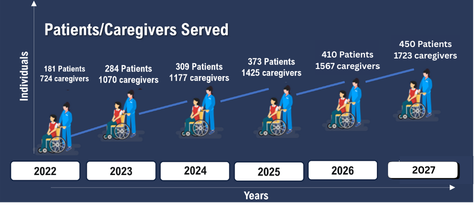
At Friends of Caroline, our mission is to ensure that every member of our community has access to compassionate care, education, and support during life’s most challenging times. Too often, individuals delay seeking help because of the stigma or misunderstanding surrounding hospice and palliative care. Our goal is to help families overcome these barriers by providing clear information, compassionate guidance, and comprehensive support.
We will all need care and comfort at some point on our journey. It is reassuring to know that such care is available—right here in our community.
If you have questions or would like additional information, please do not hesitate to contact us. We are here to help.